










By Hipolitus Yolisandry Ringgi Wangge & Djali Gafur, Guest Contributors
FAR from bringing them closer together, Papua’s integration into Indonesia in 1969 was a controversial and deeply flawed process that has driven a wedge between the two ever since – a spear through the heart of good relations.

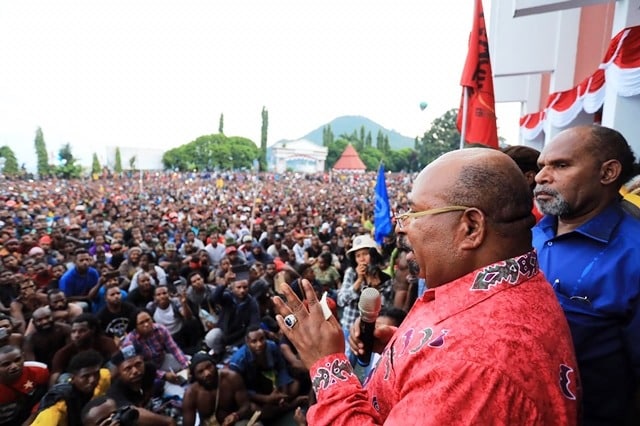
Not least because Papuans and their needs, particularly those in highland areas, have been consistently overlooked by authorities and political leaders in Jakarta.
In the almost 50 years since Papuan integration, the government has had difficulty in admitting, let alone identifying root problems in Papua. In the main, these surround the region’s historical and political status.
Challenges also include sociological and economic problems, which see growing disparity between outsiders and indigenous Papuans. Migrants dominate the territory’s economy and administrative sectors and leave the indigenous with undeveloped skills for competing in such sectors. As a result, social frictions emerge, which, in turn, lead to conflict.
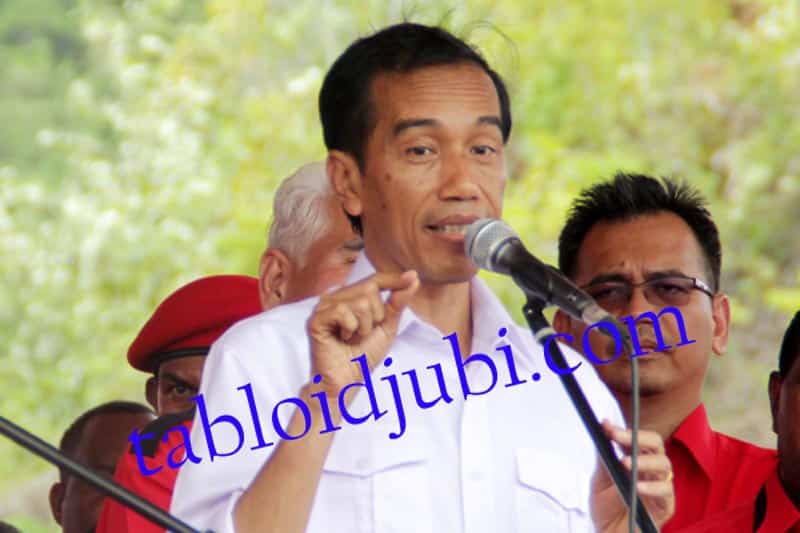
As a president with no ties to previous regimes and their key actors, Joko “Jokowi” Widodo should not make the same mistake as his predecessors.
But so far the signs aren’t good. Without seriously admitting and facing up to Papua’s problems, the Jokowi administration will only re-design and re-enforce old policies which simplistically emphasise the economy as a driving force for development.
In his last two visits, Jokowi brought packages focused only on the economy, including tourism investment in Raja Ampat, infrastructure investment in Jayapura and Sorong, agricultural investment in Merauke, and mining investment in Fak-fak and Teluk Bintuni.
Such policies are useless if we acknowledge that the bulk of Papuans lack sufficient skills to benefit from these projects (and are often so far behind that playing catch up is almost inconceivable).
In fact, such projects will only increase a mass influx of migrants from Java, Kalimantan, and Sulawesi and re-affirm non-locals’ economic domination — a process we can already see in almost all Papuan cities, in both coastal and highland areas. Such projects are not distinct from programs launched by other presidents since Suharto.
Public statements made by elites in Jakarta who oversimplify the region’s problems exacerbate the central government’s flawed approach. Take the recent statement from one of Jokowi’s key ministers, Luhut Panjaitan. His advice that Papuans with political aspirations should leave the provinces and join Pacific countries that share a culture with them unsurprisingly sparked widespread criticism.
On top of all this, Jokowi’s administration has failed to gain the trust of Papuans. For example, there are continued protests from indigenous mothers (mama-mama Papua) who want Jokowi to build traditional markets for them, as he promised in visits early last year.
In 2015 Jokowi also released several prisoners serving sentences for political activities, including the former state officer Filep Karma. But this action has been viewed as superficial since there are still many political prisoners behind bars. It doesn’t help that both foreign journalists and few local journalists are given access to the area to cover such issues (something Jokowi was rolled on by his defence minister last year).
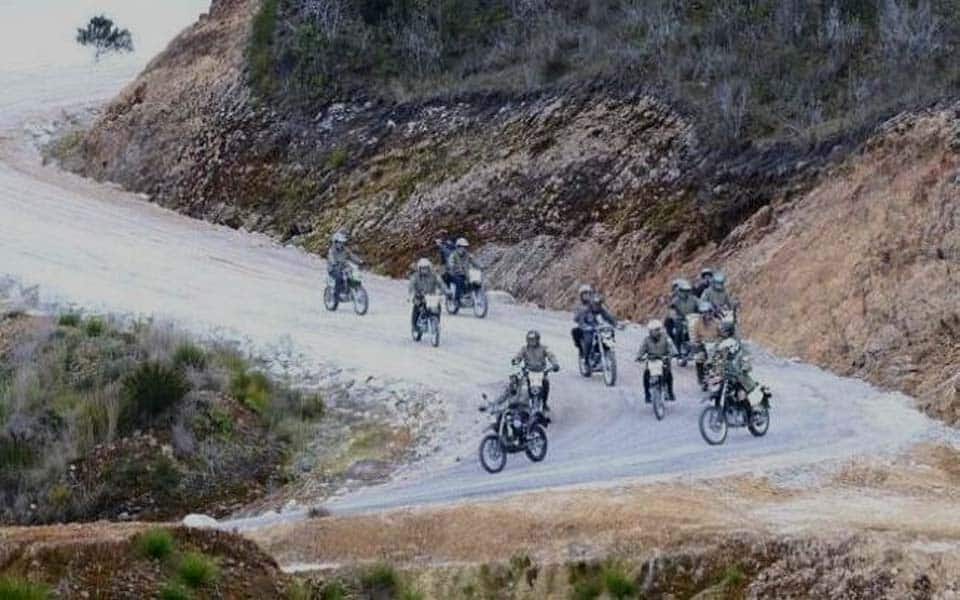
Bubbling away in the background to all of this is the presence of the military which keeps coming to Papua for “official purposes”, ranging from defending the country’s outer island to helping the government to promote development in the area.
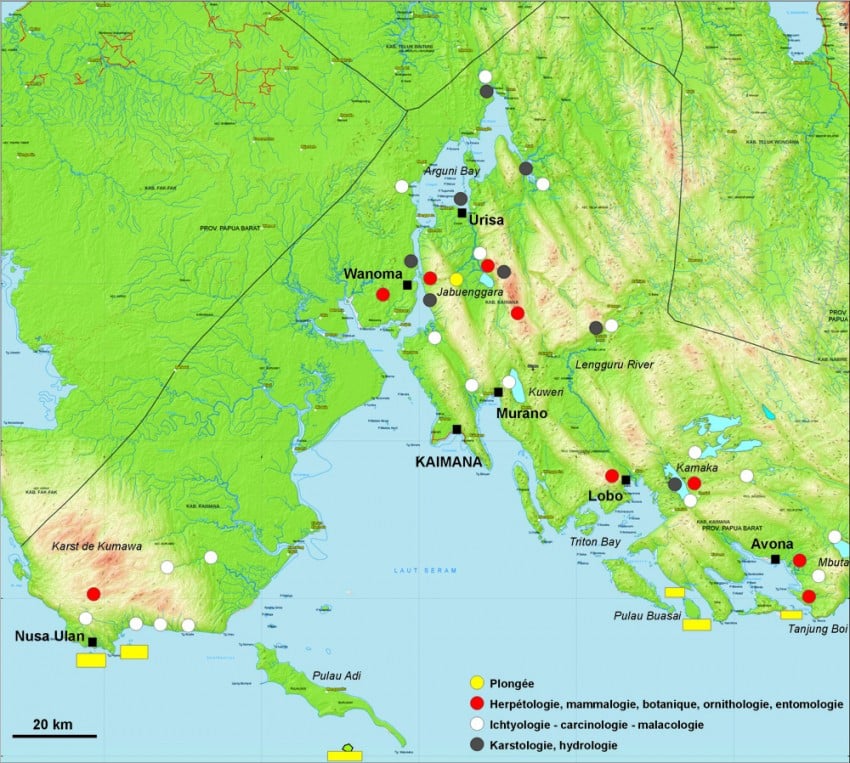
The military’s current presence includes the so-called joint expedition, dominated by 670 military personnel, including the Special Armed Forces Command (Kopassus), and including 530 civilians aimed at conducting research and collecting data related to Papua’s natural resources and its people. With the armed force’s bad human rights record in Papua, this expedition will only exaggerate distrust among locals towards their national government.
In any case, the military-led research expedition in Papua is at odds with the military’s principal task as outlined by law. Under this, military operations other than war cover 14 specific tasks, including search and rescue, counter-terrorism, humanitarian assistance, and border protection. All of the 14 tasks must support the military’s primary function — strengthening its capability for combat operations.
None of these tasks relate to collecting data on an area’s natural resources or people. The joint operation in Papua is another example of stalled internal military reforms since the second term of former President Susilo Bambang Yudhoyono. It’s also another stark reminder that the Indonesian military still exerts its influence as not only a security actor but also a social actor. To make matters worse, Jokowi has shown little intention of continuing military reforms, and has put many retired army officers in strategic government positions.
The national government should realise the flow of vast numbers of soldiers, alongside those who are already there, cannot solve the problems in Papua. In fact, the military a source of ongoing difficulties. At the end of the day, it is Papuans who must be the ones to address the region’s problems.
The key issue is the empowerment of the Papuan people and not merely a focus on the region’s natural resources which draw much attention and concern from the central government.
As Papuan journalist, Victor Mambor once asked: “What is the importance of Papua to Indonesia? Is it the people of Papua or its natural resources that attract the central government in Jakarta?
“If it is the people, why are so many Papuans being arrested, dying, and being prohibited from expressing their aspirations?” (*)
Hipolitus Yolisandry Ringgi Wangge is a researcher for the Marthinus Academy, Jakarta. Djali Gafur is an executive director for the Maluku Institute, Center for Public Policy and Economic Development Studies, Moluccas.
Both authors have been conducting a fieldwork research in Papua.