








West Papua Daily
Sunday, November 8, 2026
  • Login
  • World
  • Opinion
  • National
  • Politics
  • Business
  • Science
  • Entertainment

    The ‘Deadpool’ creator Liefeld praises “The Night Comes for Us”

    Bill Gates’ iconic donkey game arrives on iPhone, Apple Watch

    BLACKPINK’s Jennie announces release date of solo debut

    Hail a Ride Hands-Free: Apple Opens Siri to Outside Developers

    Mount Rinjani to be closed following the Lombok earthquake

    Bantar Gebang residents ask for increase in ‘smelly money’

    Baking industry growth set to rise on more stable economy

    The Chainsmokers Actually Make a Great Nickelback Cover Band

    Man Blows Himself Up On Empty Belgium Football Field

    Expert Tips: Important tips to improve your breakfast routine

  • Lifestyle
    • All
    • Fashion
    • food
    • Health
    • Travel

    The ‘Deadpool’ creator Liefeld praises “The Night Comes for Us”

    Unilever to continue producing teabags after Sariwangi bankrupt

    Palembang to inaugurate quake-proof bridge next month

    Agrarian Ministry distributes 6.2m land certificates

    Government targets 16.6% tax revenue growth in 2019

    Indonesia’s Largest Fleet Of Taxis Teams Up To Beat Ride-hailing Apps

    BLACKPINK’s Jennie announces release date of solo debut

    Seven workouts scientifically proven to burn the most calories

    Uber’s Turbulent Week: Kalanick Out, New Twist In Google Lawsuit

    Johann Gutenberg faces tough questions during news conference

    Trending Tags

    • Golden globes
    • Climate Change
No Result
View All Result
West Papua Daily
No Result
View All Result
Home Analysis

Finding a Dignified Resolution for West Papua

News Desk by News Desk
6 May 2016
in Analysis
Reading Time: 3 mins read
A A
1
Finding a Dignified Resolution for West Papua

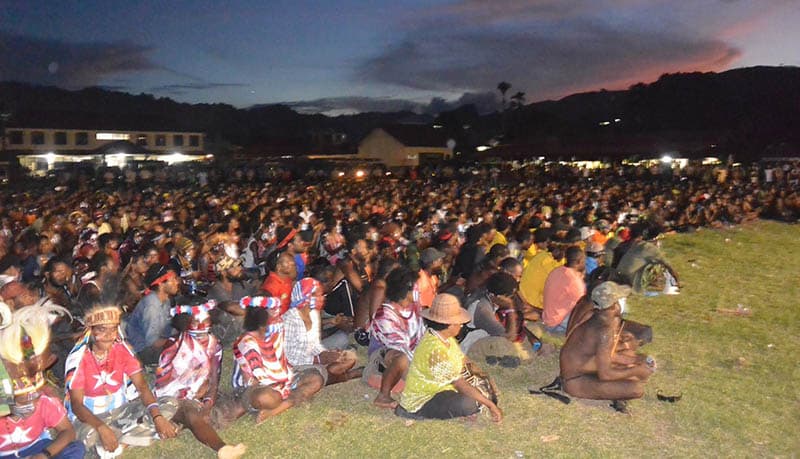
The recent arrests of nearly 1,500 protesters in Jayapura are part of a broader systematic oppression of Papuans by the Indonesian government on last May - Jubi

510
SHARES
1.5k
VIEWS
Share on FacebookShare on Twitter
The recent arrests of nearly 1,500 protesters in Jayapura are part of a broader systematic oppression of Papuans by the Indonesian government - Jubi
The recent arrests of nearly 1,500 protesters in Jayapura are part of a broader systematic oppression of Papuans by the Indonesian government – Jubi

By Benny Giay

Jayapura, Jubi – On Monday, Indonesian police arrested nearly 1,500 protestors in Jayapura, Papua. They were rallying in support of a coalition of groups representing West Papuans’ aspirations for independence.
RELATED POSTS

Chaterine Papua

Why we’re not more moved by what’s happening in West Papua?

23 August 2021
racism

[OPINION] Will racism against Natalius Pigai impact Papuans-Indonesians relationship?

2 February 2021

The police stopped the protesters, who were heading to the local parliament, forced them to board military trucks, and took them to the Mobile Brigade compound.

The protesters were demonstrating their support for the United Liberation Movement of West Papua’s (ULMWP) bid to gain full membership in the grouping of Melanesian countries, the Melanesian Spearhead Group (MSG).

The ULMWP holds observer status in the group, which consists of Fiji, Papua New Guinea, Vanuatu and Solomon Islands. Last year, Indonesia was granted associate membership.

To prevent further violent mistreatment of protesters, together with several Papuan councillors and church leaders, that day I went to the Mobile Brigade’s compound to negotiate with the security forces to release the detainees peacefully.

Monday’s arrests were the largest in the West Papua independence movement’s history.

Why did thousands of people in Papua take to the streets to support ULMWP?

Public discontent in West Papua is a result of a complicated past. It is a product of historical manipulation and repression of the right to self-determination of West Papuans.

Over the past five decades, the Papuan people have not moved from their position in relation to Indonesia. They have struggled to make progress in their predicament as the oppressed people. They are marginalised, suffering from various forms of violence, and being pushed from their own land.

Solving the problem of West Papua in a dignified manner should involve not only Indonesian authorities but also Papuans and the international community. In that sense, ULMWP and the popular support for ULMWP within West Papua is part of the solution and should not be repressed.

The silenced truth

Ever since West Papua was transferred into the hands of Indonesia in the early 1960s from being a remote outpost of the Dutch, it has become the land of “mourning and grief”.

Gross human rights violations have been taking place in West Papua since Indonesia, backed by the United Nations, annexed the western half of the island of New Guinea in 1963. In 1969, Indonesia gained complete rule of West Papua via a sham referendum.

West Papuans have looked to their Melanesian brothers and sisters to assist them in seeking resolution of past abuses by the Indonesian government and to build a new Papua. But they are still confronted with many challenges.

In September, countries in the Pacific Island Forum, a grouping of 14 countries that includes Australia and New Zealand, agreed to send a fact-finding mission to investigate human rights violations in West Papua. The Indonesian government refused to accept such a team.

Indonesia’s co-ordinating minister for politics, law and human rights, Luhut Pandjaitan, instead held two focus group discussions at a luxury hotel in Jayapura for the so-called “settlement of human rights issues”.

But West Papua is a nation that grew up with and is shaped by experiences of living under Indonesia’s military operations. These cannot be solved simply with focus group discussions.

Sadar Operation (1962, 1965-67), Wisnumurti Operation (1963), Wibawa Operation (1969), Pamungkas Operation (1970-1971), military operations in Jayawijaya (1977-80), Sapu Bersih Operation (1979-82), and Tumpas Operation (1983-84) are only a few of a series of violent acts of oppression that have confronted ordinary Papuans.

Today, Indonesia’s militaristic approach in West Papua remains intact.

This approach has resulted in a series of acts of intimidation and terror committed by security forces. They are involved in land expropriation and natural resources extraction under the banner of development and investment, in the name of Papuan welfare.

Diplomatic pressure from Indonesia

Following the increasing concern and solidarity from the Pacific region and support from the MSG for a resolution of West Papua’s problem, the Indonesian government is aggressively lobbying countries and political leaders in the Pacific.

Upon his return from a visit to PNG and Fiji last month, Pandjaitan boasted that Indonesia had the support of the two countries and could handle the MSG. At the same time, he argued that foreigners should not interfere in matters of human rights in West Papua.

Meanwhile, environmental destruction and rampant militarism walk hand in hand in West Papua. Papuans are continuously stigmatised as backward, ignorant and poor. This has become a pretext for what Indonesian authorities call “the acceleration and expansion of development”.

Pressed against waves of Indonesian migration, Papuans are not given any chance at all to develop themselves. They are a minority in their own land, not only in terms of number but also in terms of power. Every protest and negotiation effort by indigenous people is met with brutal responses and security operations.

Dignified resolution

In talking about West Papua, the Indonesian government often uses language that obscures past abuses. Papua’s relationship with the outside world is heavily controlled. The Indonesian government makes it difficult for international journalists to cover Papua and bans international researchers from studying the region.

Indonesia’s solutions for West Papua are based on shallow reflections and fear of the West Papuan people.

A genuine resolution for the West Papuan problem will only come from Indonesia’s willingness to listen to and stop oppression of West Papuans.

Indonesia should welcome the support from international communities, such as the MSG and the United Nations, as mediators in finding a resolution on West Papua. (*)

Benny Giay is the head of Synod of Kingmi Church in West Papua.

Tags: KNPBMSGPIFULMWP
Share204Tweet128
ADVERTISEMENT
News Desk

News Desk

Related Posts

Chaterine Papua

Why we’re not more moved by what’s happening in West Papua?

by News Desk
23 August 2021
0

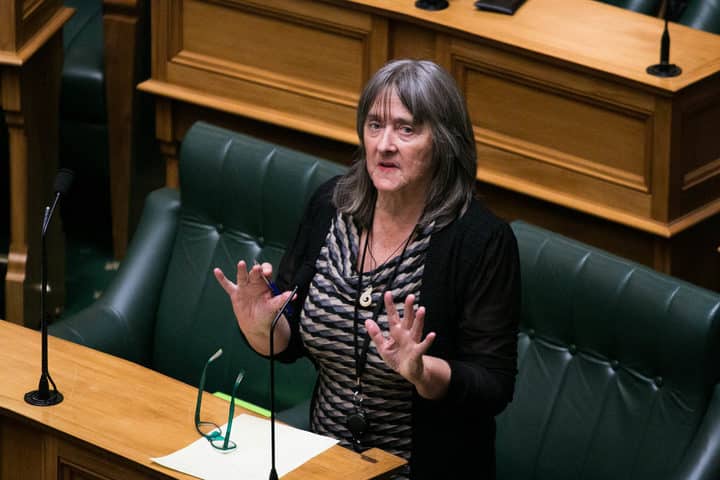
Catherine Delahunty wonders why we’re not more moved by what’s happening in West Papua, a Pacific neighbour where Indigenous people...

racism

[OPINION] Will racism against Natalius Pigai impact Papuans-Indonesians relationship?

by News Desk
2 February 2021
0

By: Yamin Kogoya   West Papua No.1 News Portal | Jubi   Racially charged attacks against well-known Papuan human rights...

Urgent international intervention in the Regency of Nduga, Papua Province, Indonesia : Open Letter

Urgent international intervention in the Regency of Nduga, Papua Province, Indonesia : Open Letter

by News Desk
12 October 2019
0

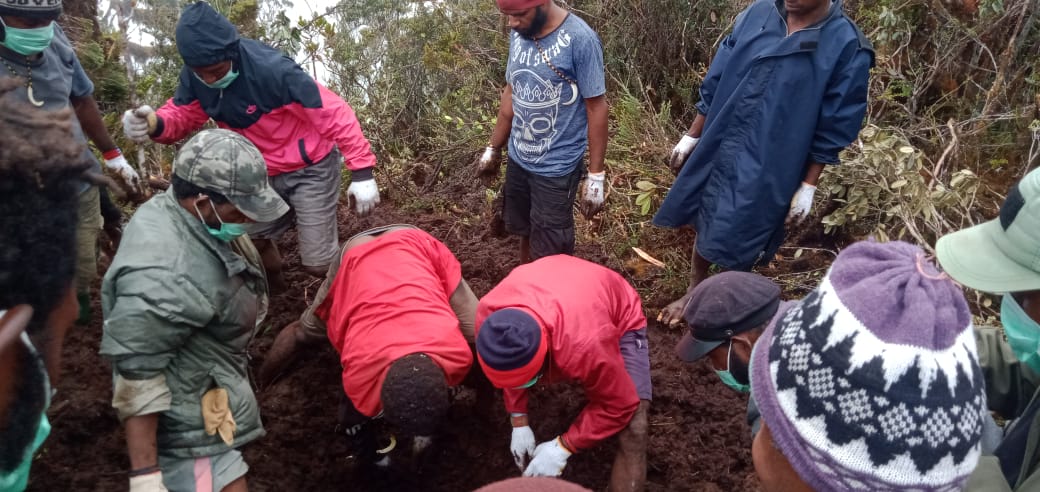
Five bodies found by residents of Nduga near Iniye Village, Mbua, Nduga on Thursday (10/10/2019) - IST OPEN LETTER TO...

The origin of Indonesian racism towards Papuans and its implication to a Free West Papua Movement

The origin of Indonesian racism towards Papuans and its implication to a Free West Papua Movement

by News Desk
24 August 2019
0

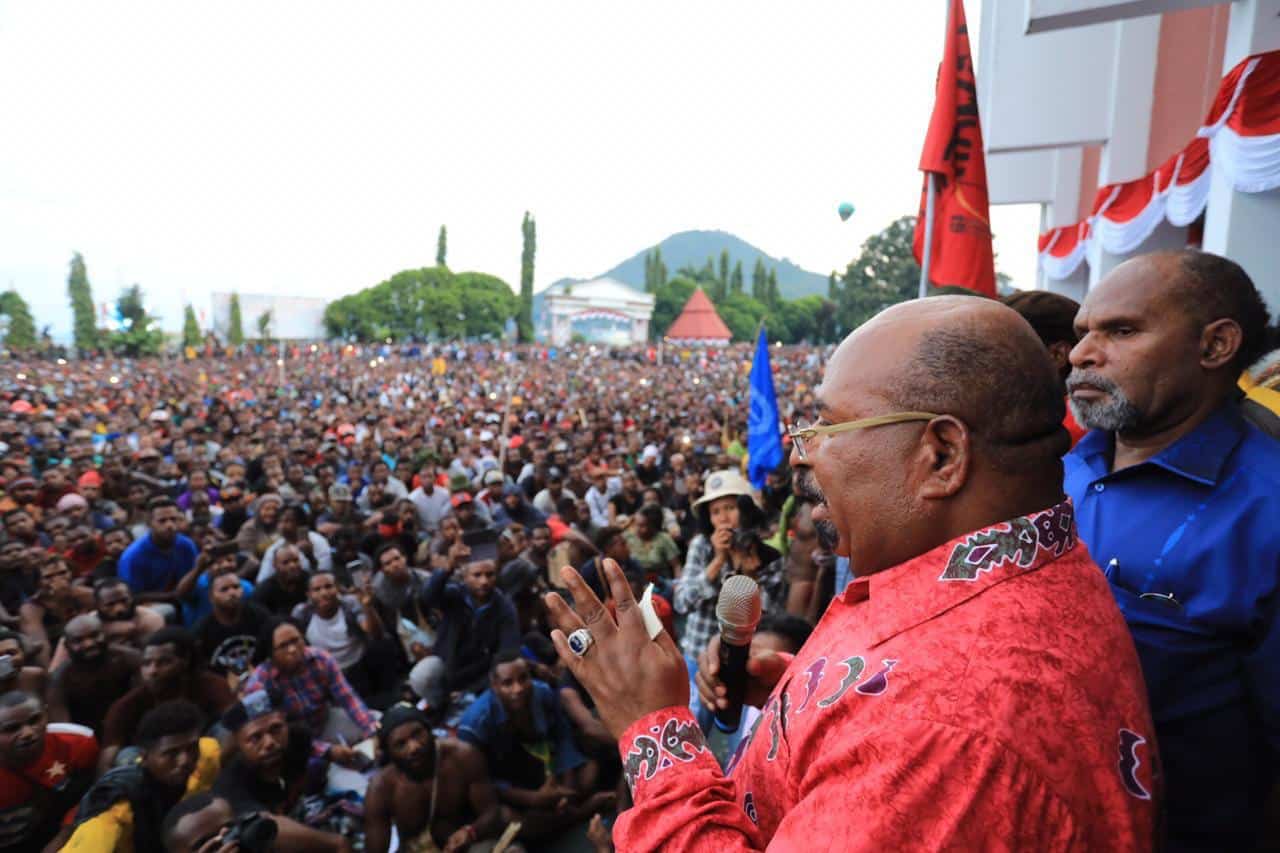
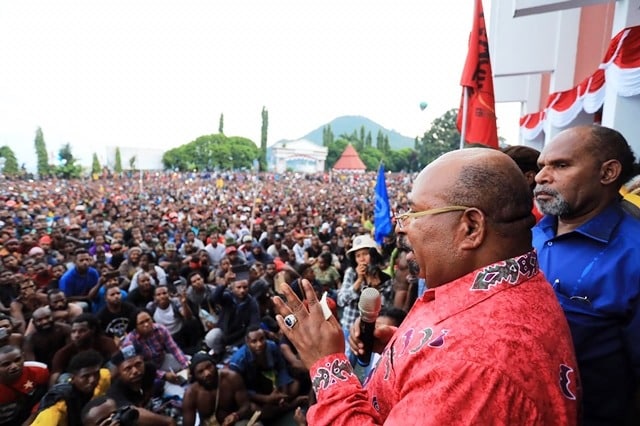
Lukas Enembe, the governor of Papua Province talks to thoousands protester in Jayapura - Supplied By Yamin Kogoya ESCALATING violence...

Who actually benefits from the Trans Papua Highway?

Who actually benefits from the Trans Papua Highway?

by News Desk
12 August 2019
0

President Widodo’s entourage visiting Trans Papua Highway construction (Biro Pers) Papua, Jubi – Indonesian Institute of Science (LIPI) researcher Cahyo...

Leave a Reply Cancel reply

Your email address will not be published. Required fields are marked *

RECOMMENDED

South Papua

South Papua Steps Up Cross-Sector Efforts to Eliminate Leprosy

11 July 2026
GMKI South Sorong

GMKI South Sorong Urges President to Protect Civilians in Papua

11 July 2026
  • 594 Followers
  • 24k Followers

MOST VIEWED

  • Four New Orchid Species Discovered in West Papua

    Four New Orchid Species Discovered in West Papua

    3555 shares
    Share 1422 Tweet 889
  • End of an era: Closure of sacred Ertsberg mine leaves legacy of environmental concerns

    1241 shares
    Share 496 Tweet 310
  • The problematic side of Freeport’s tailings (3/3)

    1043 shares
    Share 417 Tweet 261
  • TPNPB supporters are not us: Papua New Guinea clarifies

    893 shares
    Share 357 Tweet 223
  • Again and again: TNI tortures civilians in Papua

    867 shares
    Share 347 Tweet 217
West Papua Daily

We bring you the best Premium WordPress Themes that perfect for news, magazine, personal blog, etc. Check our landing page for details.

CATEGORY

  • Analysis
  • Art and culture
  • Business
  • Central Papua Province
  • Economy
  • Education and Health
  • Entertainment
  • Environment
  • Fashion
  • food
  • Headlines
  • Health
  • Human Rights
  • Indepth
  • Lifestyle
  • National
  • National & International
  • Opinion
  • Pasific News
  • Politics
  • Politics, Law and Security
  • Science
  • South Papua
  • Sports
  • Tech
  • Travel
  • Uncategorized
  • West Papua
  • Women and children
  • World

SITE LINKS

  • Log in
  • Entries feed
  • Comments feed
  • WordPress.org

NEWSLETTER

  • Landing Page
  • All Features
  • Get JNews
  • Contact

Copyright © 2017 JUBI.

Welcome Back!

Login to your account below

Forgotten Password?

Retrieve your password

Please enter your username or email address to reset your password.

Log In
No Result
View All Result
  • Homepages
    • Homepage Layout 1
    • Homepage Layout 2
  • Politics
  • World
  • Business
  • Science
  • National
  • Entertainment
  • Sports
  • Fashion
  • Lifestyle
  • Travel
  • Tech
  • Health
  • Food

Copyright © 2017 JUBI.